Advanced oils, lubricants
and treatments since 1887
Main Switchboard: +44 (0)1484 713201
Technical Support: +44 (0)1484 475060
Advanced oils, lubricants
and treatments since 1887
Main Switchboard: +44 (0)1484 713201
Technical Support: +44 (0)1484 475060
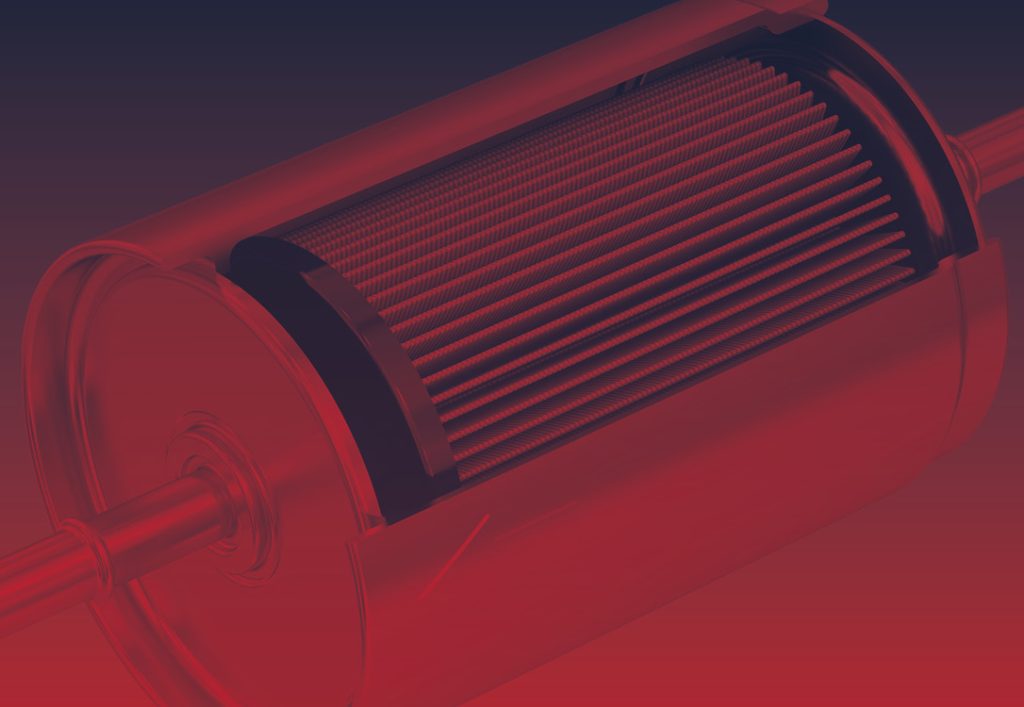
If you’re seeing warning lights, reduced performance, or repeated regeneration issues, your Diesel Particulate Filter (DPF) may be struggling to do its job.
But why does this happen in the first place, and what can be done about it?
Modern diesel engines rely on a DPF to capture soot and reduce emissions. Over time, this soot is burnt off through a process called regeneration, where exhaust temperatures rise high enough to clean the filter.
However, driving conditions play a major role in whether this process works effectively.
Short journeys, stop-start traffic, and urban driving often prevent the exhaust from reaching the temperatures needed for full regeneration. As a result, soot begins to build up faster than it can be cleared.
Over time, this can lead to:
Using the correct engine oil is just as important as driving habits when it comes to protecting a DPF. Using the wrong oil, for example, a full SAPS oil in an engine that requires a mid SAPS specification, can introduce excessive ash into the exhaust system which cannot be burnt off during regeneration. Instead, it accumulates in the DPF, gradually restricting its capacity and increasing the likelihood of blockage.
As diesel vehicles get older, it can be tempting to assume any oil will do. In reality, the opposite is true. Older vehicles with DPFs often require even greater attention to using the correct lubricant to help protect the emissions system and avoid unnecessary repairs.
One of the most common causes of DPF issues is simply that the regeneration cycle is not being completed often enough. Diesel fuel quality, driving style, and operating conditions all influence how effectively the system can clean itself. When soot becomes trapped, the system struggles to restore normal operation.
To support DPF performance and help maintain cleaner operation, fuel system additives can be used as part of a maintenance routine. Millers Oils DPF Regenerator is a one-shot diesel fuel treatment designed to support the regeneration process by lowering the temperature required to burn off trapped soot particles. This helps the DPF clean more effectively under normal driving conditions, particularly in vehicles used for short trips and stop-start driving.
Using a DPF Regenerator treatment can help:
It is especially useful for vehicles that regularly operate in urban environments or undertake short journeys.
Alongside periodic DPF regeneration treatments, maintaining fuel quality also plays an important role in long-term engine and emissions system health. Millers Oils Diesel Power ECOMAX can be used as an ongoing maintenance treatment with every tank of fuel. By enhancing diesel fuel quality, and keeping injectors cleaner, it supports more efficient combustion and helps maintain the performance of the entire fuel and emissions system.
DPF problems rarely occur overnight. They are usually the result of driving conditions, incorrect maintenance practices or unsuitable lubricants preventing the system from operating as intended. Using the correct engine oil, maintaining good fuel quality by using ECOMAX, and supporting the DPF with appropriate maintenance products can help keep diesel engines running cleaner, more efficiently and more reliably.
More about Millers Oils


