Advanced oils, lubricants
and treatments since 1887
Main Switchboard: +44 (0)1484 713201
Technical Support: +44 (0)1484 475060
Advanced oils, lubricants
and treatments since 1887
Main Switchboard: +44 (0)1484 713201
Technical Support: +44 (0)1484 475060
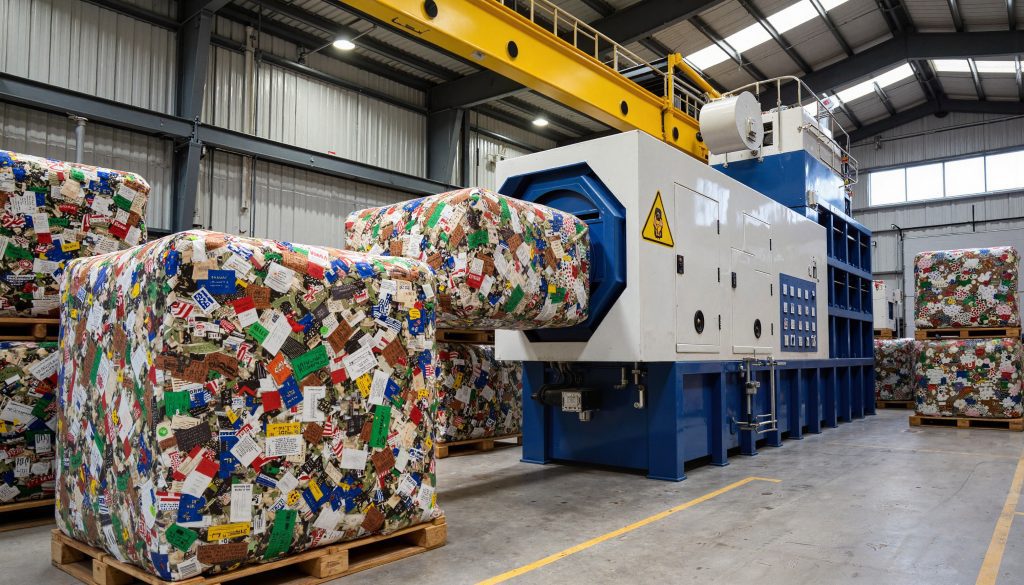
When temperatures drop, many recycling and waste‑handling operations start to notice the same issue: balers that feel sluggish, unresponsive, or simply refuse to start. Cold weather has a profound effect on hydraulic systems, and balers reliant on consistent hydraulic pressure are particularly vulnerable. If your balers are struggling this winter, the cause may be simpler than you think: your hydraulic oil.
A baler breakdown doesn’t just interrupt workflow. It costs time, money, and productivity, and can lead to avoidable wear on pumps, valves, and cylinders. But with the right hydraulic fluid, you can protect your equipment, maintain efficiency, and keep your operation running smoothly even in freezing conditions.
Hydraulic systems depend on oil viscosity and the oil’s resistance to flow. As temperatures fall, all hydraulic oils thicken. When oil becomes too thick:
Cold starts are the most damaging moment for any hydraulic system. Thick, sluggish oil forces components to work harder, increasing stress and accelerating wear.
Choosing the right oil is essential. A hydraulic oil must:
This is where high viscosity index hydraulic oils come into their own.
A hydraulic oil with a high viscosity index, such as Millmax Longlife HV 46 starts off in grade at normal operating temperatures. When exposed to freezing conditions, it will still thicken, but crucially, it remains within a usable viscosity range that allows the baler to operate safely and efficiently.
Here’s why that matters:
Better Lubrication at Low Temperatures- Even when cold, an oil with a high viscosity index retains enough fluidity to lubricate pumps, valves, and cylinders. This reduces metal‑to‑metal contact and prevents premature wear.
Maintains System Pressure
Hydraulic systems rely on viscosity to build and maintain pressure. If oil becomes too thin, the system loses power. You want the oil to resist thinning, helping your baler maintain consistent force and performance.
Reduces Internal Leakage
Cold temperatures can cause clearances in pumps and valves to tighten. A thicker oil helps maintain volumetric efficiency by reducing bypass leakage, ensuring your baler delivers the pressure it needs to compact material effectively.
Supports Year‑Round Performance
A good hydraulic oil must perform in winter and summer. High viscosity index oils maintain stability across a wide temperature range, ensuring your baler is protected during freezing mornings and still performs reliably during peak summer heat.
Using an oil that’s too thin in winter or too thick in summer can lead to:
Selecting a hydraulic oil designed for temperature extremes helps prevent these issues and extends the life of your equipment.
If your balers are outdoors, in unheated buildings, or operating in fluctuating temperatures, reviewing your hydraulic oil choice is one of the simplest and most effective steps you can take to improve reliability.
Millmax Longlife HV 46 provides the stability, protection, and performance your balers need to operate smoothly—no matter how cold it gets.
More about Millers Oils


